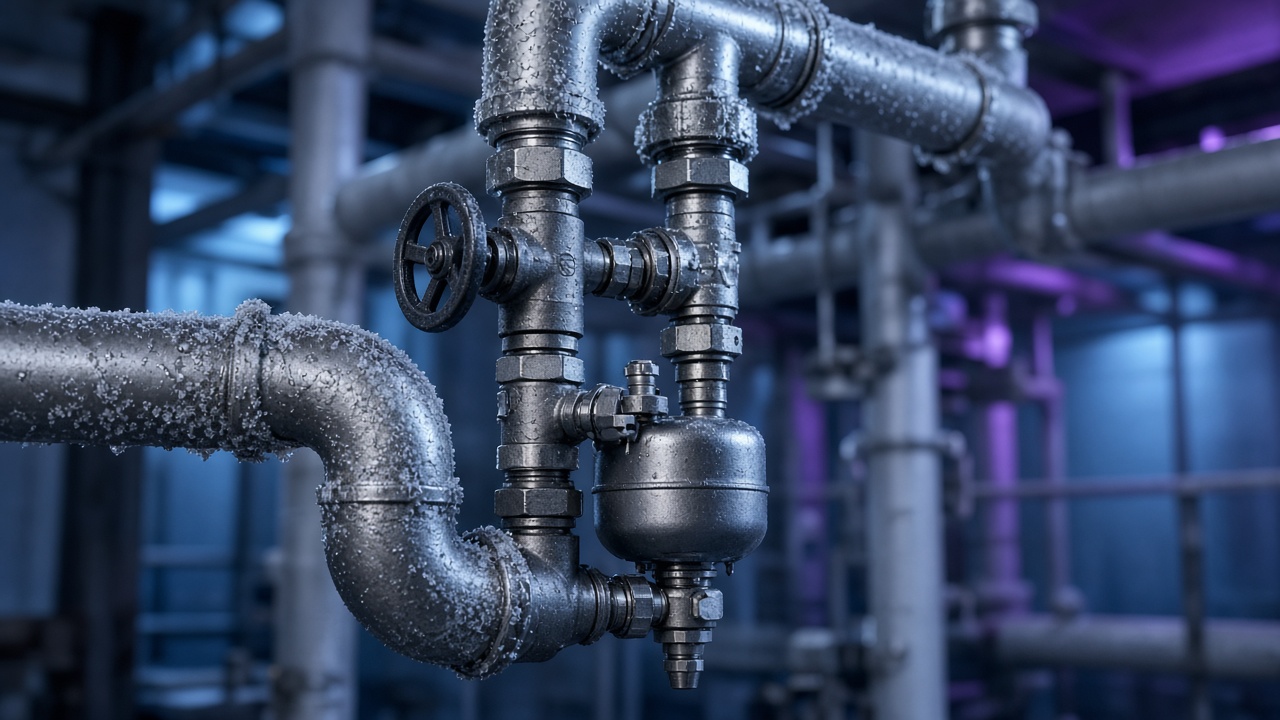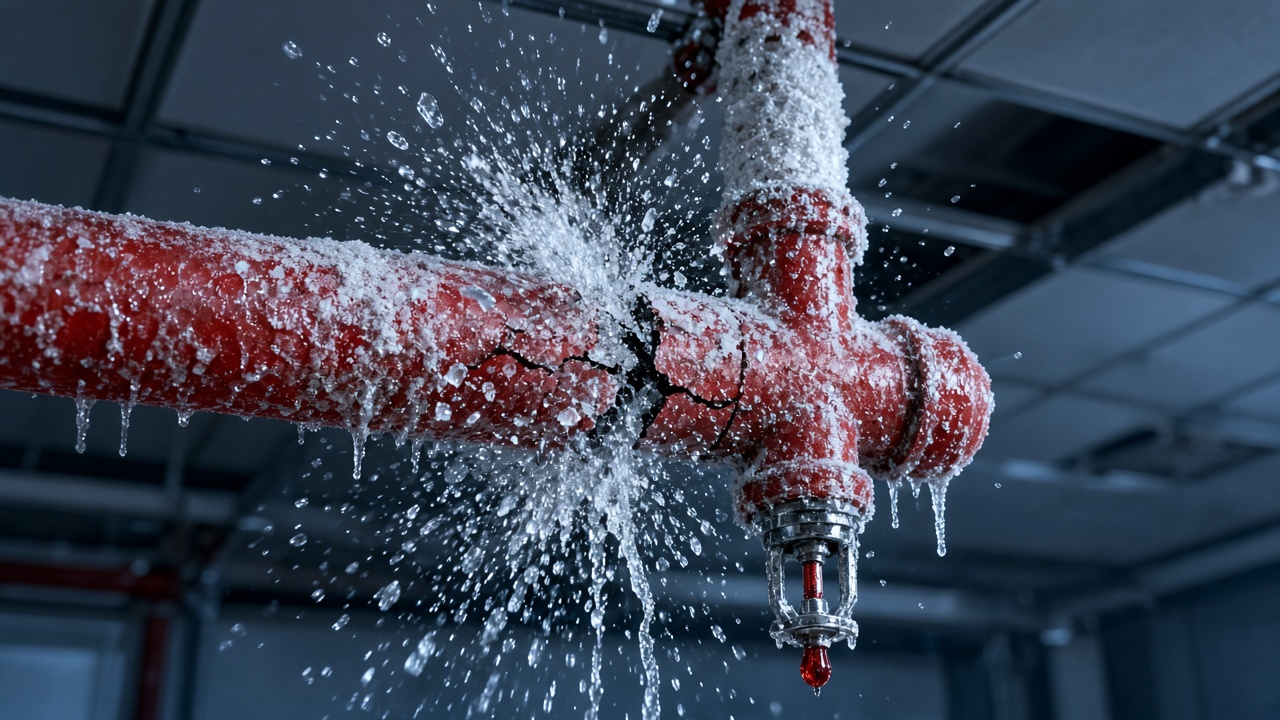
The first hard freeze of the season is when wet pipe systems fail quietly. A riser room heater that died in October, a dry system low point that never got drained, or an antifreeze loop that was never tested can all turn into frozen pipe, ruptured fittings, and an emergency call on a Saturday morning. Winter freeze checks for fire sprinkler systems belong on the calendar before that happens, not after the first snow.
This post is a practical freeze-season checklist for fire protection techs and the office staff who review their reports. Code references follow NFPA 25. Always confirm the edition and local amendments your AHJ has adopted.
Why freeze damage shows up as "surprise" work
Most freeze failures are not sudden. The building lost heat weeks earlier. The dry system trap held water from the last trip test. The tech noted "riser room cold" last quarter and nobody quoted a heater repair. By the time ice splits a fitting, the deficiency was already on a prior report.
That is why freeze checks belong on every fall visit, not just after the first snow. They fit naturally into the annual and quarterly work already on the NFPA 25 sprinkler inspection frequency schedule.
Wet pipe systems: heat is the protection
Wet systems stay liquid because the building (or the enclosure around the piping) stays above freezing. Your job on a fall inspection is to verify that protection is still real.
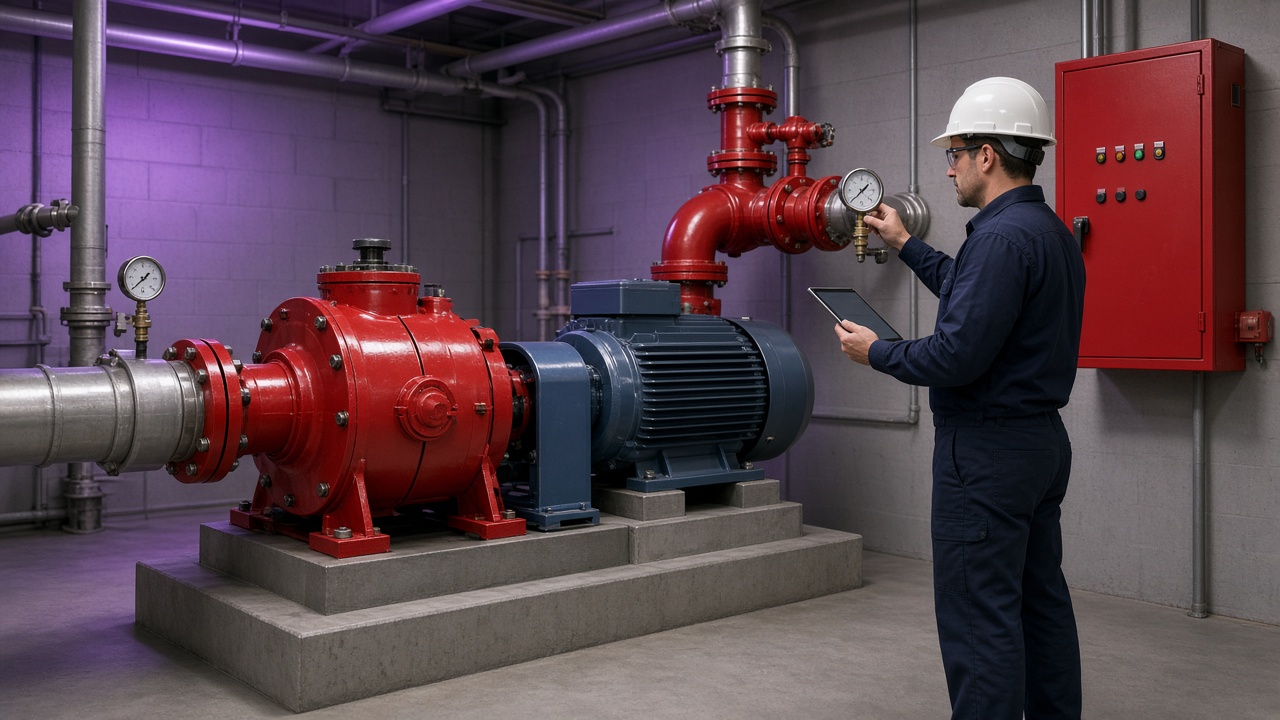
Riser rooms and valve closets. Feel for heat when you walk in. Look at the thermostat setting and whether the unit is actually running. Note missing or open louvers that dump cold air onto the riser. A room that is "warm enough today" at 50°F outdoor air may freeze at 10°F. NFPA 25 commonly expects valve rooms and similar enclosures to stay at or above 40°F (4°C); confirm the adopted edition.
Unheated spaces with wet pipe. Loading docks, canopies, attic spaces, and exterior stair towers are classic problem zones. If you see wet pipe where heat is unreliable, flag it. Options usually include relocating pipe, converting to dry or preaction, or adding listed heat trace — all of which are quote opportunities, not just notes.
Exposed exterior piping. Any wet pipe outdoors needs listed freeze protection. Document what you find and whether the heat tape or enclosure looks damaged.
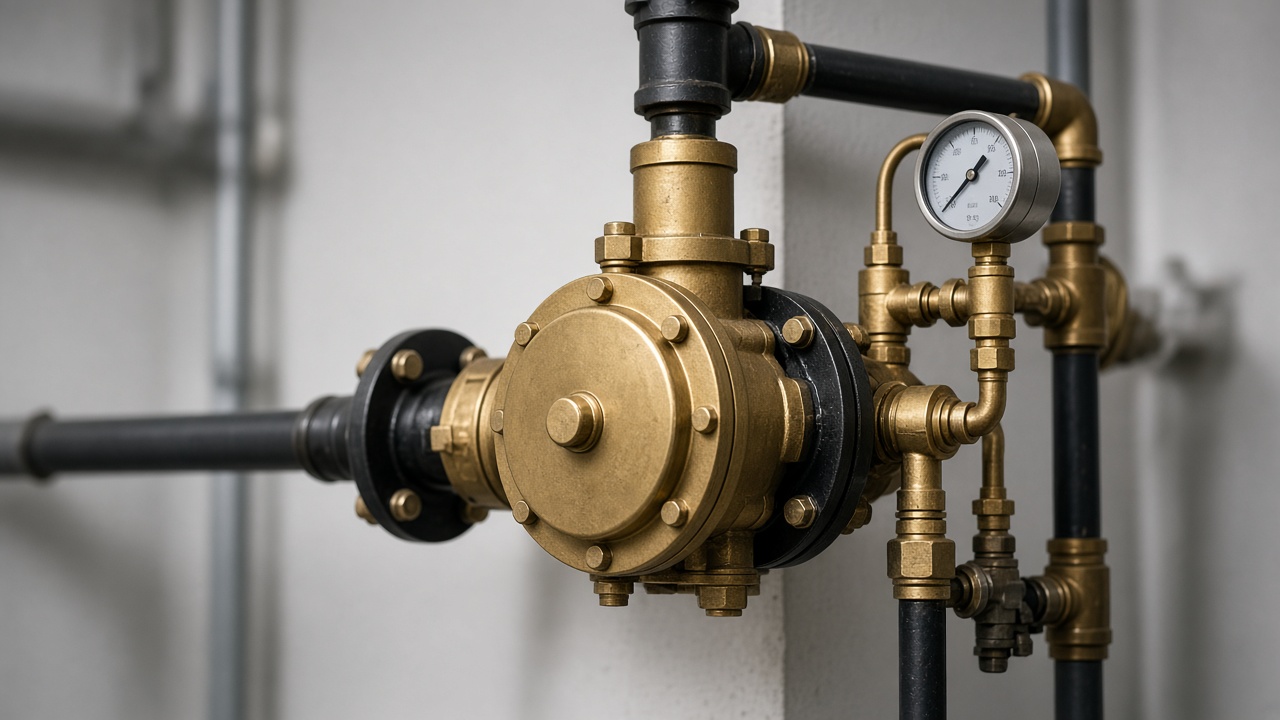
Gauges and trim. A system gauge that reads zero in cold weather can mean a frozen gauge nipple or a larger freeze event. Do not clear it as "OK" without understanding why.
Dry pipe and preaction: water that should not be there
Dry systems are supposed to hold air or nitrogen, not water. Freeze damage on dry systems almost always starts with water that collected at a low point and was never drained.
Low point drains. Walk the system. Open every low point drain and see what comes out. Water is expected at times; leaving it in place through freezing weather is the problem. Document which drains ran wet, how much came out, and whether you left them drained. For the drain-by-drain procedure and reporting language, see dry sprinkler low-point drains.
Pitch and traps. Piping that traps water after a trip test will freeze. If you know the system was recently trip-tested, prioritize low point checks on the next visit.
Air maintenance and dryers. Compressors that pump wet air into the system load it with moisture. Note whether an air dryer is installed and working. A wet air supply is a long-term freeze and corrosion problem.
Accelerators and exhausters. These devices have their own drains and maintenance needs. Treat them as part of the freeze conversation, not an afterthought.
Antifreeze loops and small special systems
Some wet systems use listed antifreeze solutions in small loops (for example, a loading dock or remote area). NFPA rules around antifreeze have tightened over recent editions. On a fall visit:
- Confirm the loop is still listed antifreeze, not automotive coolant someone poured in years ago.
- Check concentration with a refractometer if that is part of your scope and the adopted edition requires it.
- Document the freeze point you measured.
- Flag any loop that cannot prove what is in it.
Guessing is not a freeze protection plan.
Impairments and temporary heat
When a building's heat fails, the sprinkler system may need an impairment tag and a fire watch until heat is restored or the system is drained under an approved plan. Your techs should know who to call, how to tag the valve, and how to write the impairment so the office can notify the owner and insurer correctly. "We'll come back Monday" is not an impairment procedure.
What to put on the report so the office can act
A freeze-related finding only turns into protection (and revenue) if the report is specific:
- Exact location (building, floor, room, riser number)
- Measured condition (room temperature if you can get it, "heater not running," "low point drained 2 gallons," antifreeze freeze point)
- Photo of the heater, open dock door, iced gauge, or wet low point discharge
- Clear recommendation (repair heat, add heat trace, install auxiliary drain, convert branch to dry, schedule impairment follow-up)
Vague notes like "watch for freeze" help nobody. Write them so the office can price the work, as in inspection deficiency notes that lead to quotes.
Frequently asked questions
When should techs do winter freeze checks on sprinkler systems? Before the first hard freeze, and then as needed through cold weather. Fall inspections are the best time to catch dead heaters, undrained low points, and unproven antifreeze loops.
What temperature should a sprinkler valve room stay above? Recent NFPA 25 editions commonly use 40°F (4°C) as the freeze-protection temperature for valve enclosures. Confirm the adopted edition, and remember that a room that feels fine on a mild day may still fail in a polar snap.
Do dry pipe systems still freeze? Yes. Dry systems freeze when residual water or condensate sits in a low point or in poorly pitched pipe. The system is dry at the heads, not necessarily empty at every trap.
Is automotive antifreeze acceptable in a sprinkler loop? No. Sprinkler antifreeze loops need a listed solution used as required by the adopted NFPA standard. Automotive coolant, or a loop with no record of what is in it, should be flagged.
How Optic helps
Optic is built for field notes that turn into office action the same day. Techs capture freeze findings with photos and exact locations on their phones. Deficiencies stay attached to the building and the inspection instead of disappearing into a paper stack. The office can quote heater repairs, auxiliary drains, and heat trace while the tech is still on site or on the drive back. If your freeze season still lives in sticky notes and "we'll remember to call them," see how Optic runs inspections and estimates.
This article is general guidance for fire protection professionals. Always follow the NFPA edition and local amendments adopted by your Authority Having Jurisdiction, plus manufacturer instructions for valves, heat trace, and antifreeze.