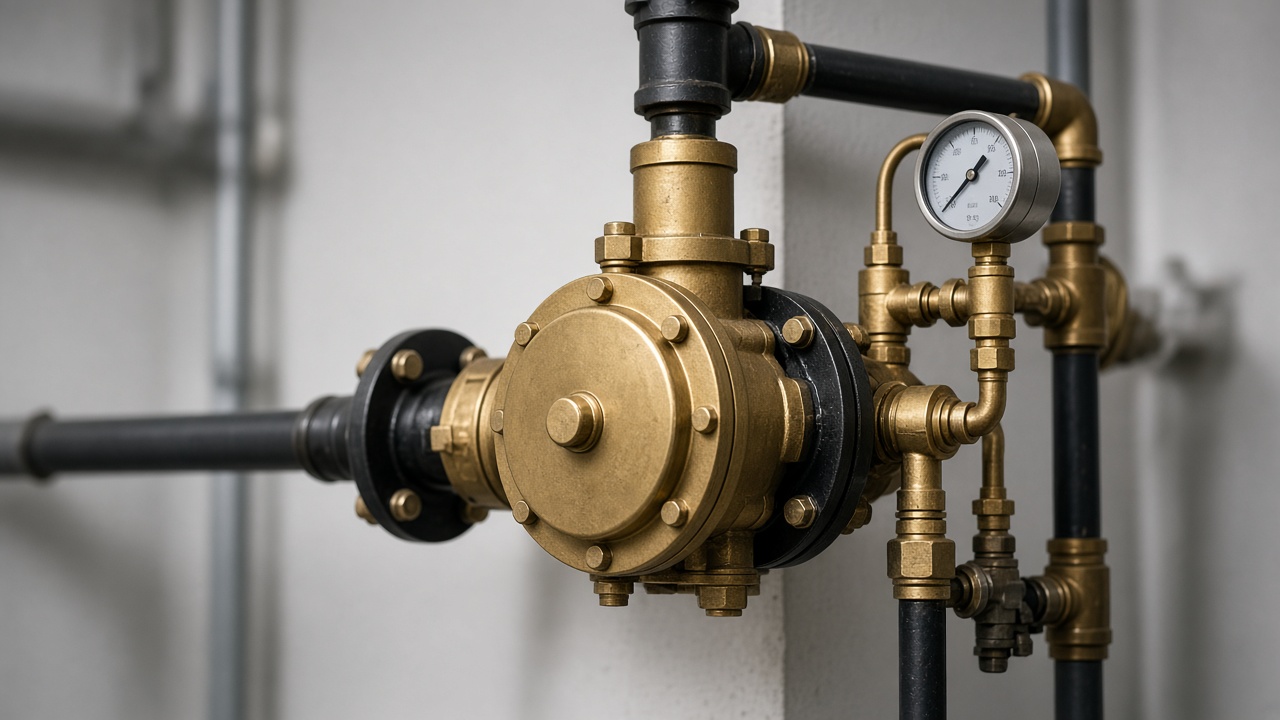
Dry sprinkler low-point drains, also called auxiliary drains or drum drips, are where residual water and condensate collect on a dry or preaction system. Dry pipe systems are built for cold spaces, but they are not freeze-proof. Pressurized air or nitrogen holds the dry valve closed most of the year, yet water from trip tests and from the air supply still runs to low points. When that water is left in place through freezing weather, cracked fittings and unintended trips are a short step away.
This post focuses on why those drains matter, what field techs should verify before hard freeze weather, and what belongs on the report. Code references below cite commonly used NFPA language. Always confirm the NFPA 25 and NFPA 13 editions and local amendments your Authority Having Jurisdiction has adopted, and follow the manufacturer's listed procedures for each drain assembly.
Why dry systems still collect water
A dry or preaction system is not empty. After a trip test or inadvertent operation, water remains in trapped sections of pipe. Compressors also introduce moisture; water vapor condenses inside the piping and runs to low points when the system is pitched correctly.
That water is expected to show up at the auxiliary drains. Finding condensate or residual water at a low-point drain during a drain check is not automatically a deficiency by itself. The problem starts when that water is left in place through freezing weather, or when drains are missing, inaccessible, damaged, or never exercised on the schedule required by the adopted ITM standard.
Manufacturer guidance and industry ITM practice are consistent on the risk: ice in a drum drip can crack the assembly, release system air, trip the dry valve, and flood the building. These checks belong with the rest of your winter freeze checks for fire sprinkler systems.
What NFPA expects (confirm your adopted edition)
NFPA 13 addresses how auxiliary drains are installed on dry and preaction systems (accessibility, valve sizes, condensate nipples for larger trapped sections, and related details). Exact section numbers vary by edition.
NFPA 25 addresses inspection, testing, and maintenance. Across recent editions, the practical expectations for dry-system auxiliary drains include:
- A sign at the dry valve that lists how many auxiliary drains the system has and where each one is located
- Draining auxiliary drains after each system operation
- Draining them before the onset of freezing weather
- Draining them again thereafter as needed during cold weather
Annex guidance used with NFPA 25 also stresses that one drain pass is often not enough after a trip: continue until discharge stops for several days, then stretch the interval based on what you find. Frequency can increase as systems age. Recent editions also commonly include a periodic air leakage test on dry pipe and certain preaction systems, usually on a three-year cycle, which is a separate item from routine low-point draining. See the broader NFPA 25 sprinkler inspection frequency guide for how that work sits on the calendar.
Do not treat a blog post as a substitute for the edition on the job. Cite the adopted standard on the report when you reference a requirement.
What techs should check in the field
Find every drain. Start at the dry valve sign. If the sign is missing, incomplete, or does not match what you find in the building, document that. Walk trapped sections, attics, mezzanines, and exterior runs that commonly hide drum drips.
Confirm access and condition. Drains in freezing areas need to be reachable for maintenance. Note damaged valves, missing caps or plugs, blocked access, or assemblies that look modified outside listed practice.
Exercise drains per procedure. Follow your company SOP and the manufacturer's instructions for that assembly. Do not improvise multi-valve drain sequences from memory on an unfamiliar device. Improper operation can dump system air, trip the dry valve, or create a flood condition. If a listed automatic or supervised drain device is installed, follow that product's maintenance instructions rather than treating it like a simple two-valve drum drip.
Record what comes out. Note which drains discharged water, roughly how much, and whether you left them empty. Clear discharge after a recent trip test is common; repeated heavy water with no recent operation can point to pitch problems, a wet air supply, or other maintenance issues worth a follow-up quote.
Look upstream of the water. Note whether an air dryer is present and appears in service. Wet compressor air loads the system with moisture over time. After a full or partial trip, low-point checks should stay on the schedule until the system runs dry.
Valve room heat still matters. Even on a dry system, the dry pipe valve and water-side trim live in a heated enclosure that must stay at or above the freeze-protection temperature required by the adopted NFPA 25 edition (commonly 40°F / 4°C). Low-temperature alarms, when installed, have their own inspection and test intervals toward the start of the heating season.
What to document so the office can act
Vague notes like "drained low points" or "watch for freeze" do not help the owner, the AHJ, or your estimating team. Useful report language includes:
- System ID and dry valve location
- Whether the auxiliary-drain directory sign is present and accurate
- Each drain checked (location description or label), with access or damage notes
- Approximate discharge volume and whether the drain was left empty
- Photos of damaged assemblies, missing signs, iced components, or inaccessible drains
- Clear recommendations (restore access, repair or replace a damaged drum drip, add missing auxiliary drains or pitch corrections, service the air dryer, schedule cold-weather drain revisits)
Separate "normal condensate drained and cleared" from true deficiencies such as broken fittings, missing required drains, inaccessible drains, or freeze damage. That distinction keeps reports accurate and quotes focused. Write the deficiencies so they can be priced, as in inspection deficiency notes that lead to quotes.
Frequently asked questions
What is a dry sprinkler low-point drain? It is an auxiliary drain, often a drum drip, at a low point in a dry or preaction system. It collects residual water and condensate so that water can be removed before it freezes or causes corrosion.
How often should dry system drum drips be drained? NFPA 25 commonly expects drains after each system operation, before freezing weather, and again as needed during cold weather. After a trip, one pass is often not enough. Confirm the adopted edition and follow what you find in the field.
Is water at a low-point drain automatically a deficiency? No. Condensate or residual water after a trip is expected. It becomes a problem when it is left through freezing weather, or when drains are missing, damaged, inaccessible, or never maintained.
Why does a dry system still freeze if it is filled with air? Because it is not empty everywhere. Water collects at traps and low points. Ice there can crack a drain, drop system air pressure, trip the dry valve, and flood the space.
How Optic helps
Optic keeps dry-system drain findings attached to the building and the inspection instead of a notebook that never makes it back to the office. Techs can photo each drum drip, note discharge, and flag missing signs while they are still on site. The office sees the same record and can quote repairs or cold-weather revisits the same day. If your freeze-season drain list still lives in tribal knowledge, see how Optic runs inspections and estimates.
This article is general guidance for fire protection professionals. Always follow the NFPA edition and local amendments adopted by your Authority Having Jurisdiction, plus manufacturer instructions for dry valves, auxiliary drains, and related devices. Do not use this post as step-by-step operating instructions for any specific drain assembly.