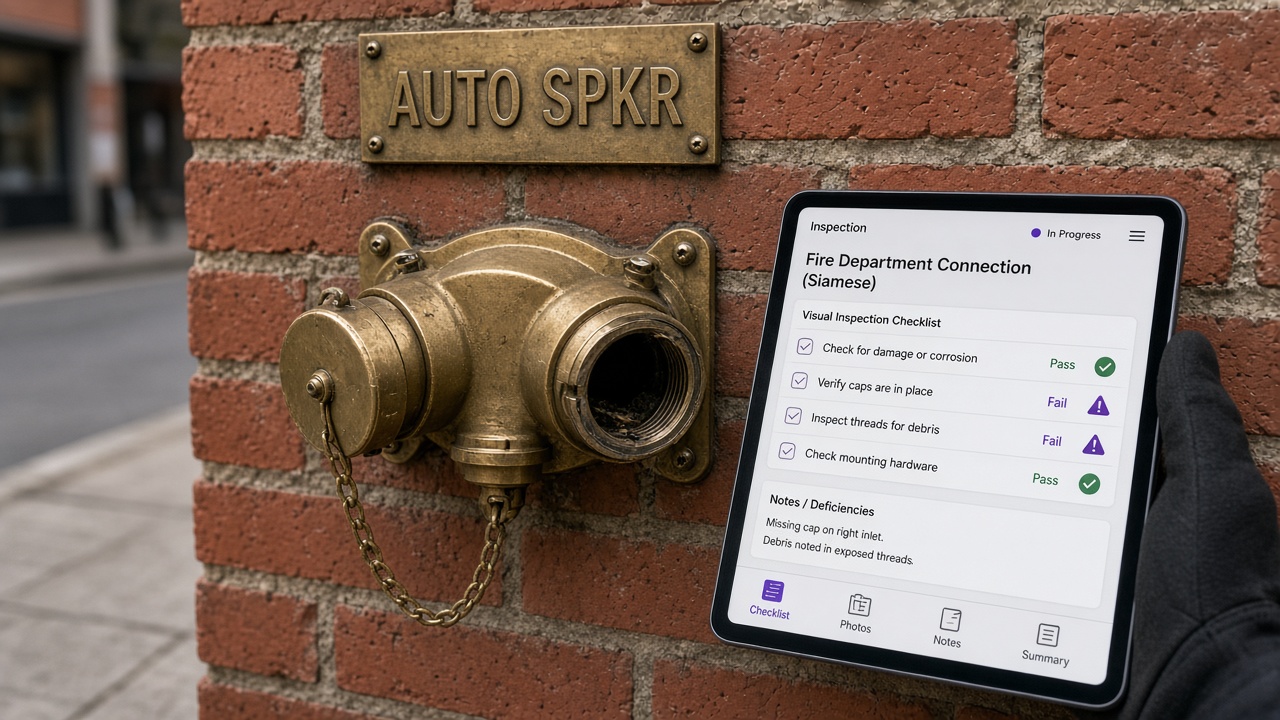
Every fire protection company has the same leak in its revenue. A tech finds a problem on an inspection, writes "replace head" or "valve leaking" on the report, and moves on to the next building. Back at the office, an estimator opens those inspection deficiency notes days later and has no idea which head, what type, how high, or whether a lift is needed. So they call the tech, or they send someone back out, or the quote never gets written at all.
The repair work was real, and so was the customer's need. The note just didn't carry enough information to price it.
This post covers what a priceable deficiency looks like, the details techs should capture before they leave the site, and how to keep findings moving from the report to a quote.
Why vague notes cost you
A deficiency that can't be priced from the report creates one of three outcomes:
- A callback. The estimator chases the tech for details, often after the tech has forgotten the specifics.
- A second trip. Someone drives back to the site to look at it again. That's unbilled time and a delay the customer notices.
- Nothing. The quote never goes out. The deficiency sits open on the report, the customer doesn't fix it, and it shows up again next year. Sometimes the AHJ finds it first.
All three cost money, and the third one also costs credibility. Owners and property managers expect the company that found the problem to tell them what it'll take to fix it.
What a priceable deficiency includes
A good deficiency note answers the questions an estimator would ask before they could build a number. Train techs to capture these five things on site:
1. Exactly what and where. Not "sprinkler head," but "pendent sprinkler, 2nd floor east corridor outside room 214." Include the system or zone when the building has more than one. If a location is hard to describe, a photo with a landmark in frame does the job.
2. The specifics needed to order parts. Head type, temperature rating, response type, K-factor, and finish when it's a sprinkler. Make and model for valves, devices, and panels. Size for pipe and fittings. If the tag or label is readable, photograph it.
3. Quantity. "Replace corroded heads" could mean two heads or forty. Count them, or give a clear scope ("all upright heads in the parking garage, approx. 60").
4. Access conditions. Ceiling height, lift or ladder needs, hard ceilings that require access panels, after-hours work requirements, tenant spaces that need coordination. Access often drives labor more than the part does.
5. The reason it's a deficiency. Corrosion, loading, physical damage, painted, missing escutcheon, failed test, obstructed. When it's tied to a requirement in the adopted standard, note that too. This helps the customer understand why the item matters and helps the office separate code deficiencies from recommendations.
Here's the difference in practice:
- Hard to price: "Head leaking in back room."
- Priceable: "1 pendent sprinkler, 155°F quick response, chrome, leaking at threads. Storage room behind kitchen, 1st floor, approx. 10 ft ceiling, ladder access. Photo attached. Recommend replacement."
The second note takes about thirty seconds longer to write. It can save a phone call, a truck roll, and a week of delay.
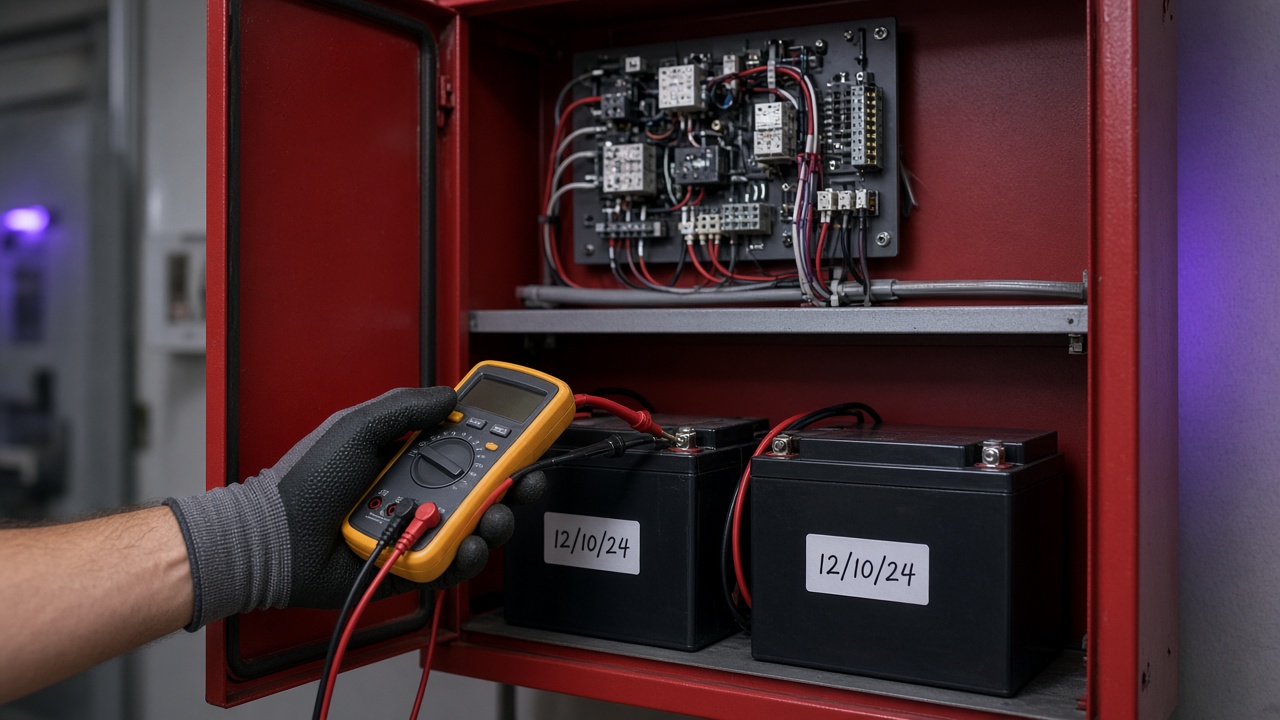
The same five details apply whether the finding is a leaking head, a failed fire alarm standby battery test, an overdue extinguisher hydro date, or a fire pump churn test that didn't hit its set point.
Photos do half the work
A clear photo answers questions the tech didn't think to write down. Good deficiency photos include:
- A close-up of the problem (corrosion, leak, damage, label)
- A wider shot that shows where it is in the space
- The nameplate or tag when parts need to be matched
Photos also protect your company. When a customer asks why they're being quoted for something, the photo makes the case.
Separate deficiencies from recommendations
Not everything a tech notices is a code deficiency. Mixing the two makes reports harder to read and quotes harder to defend. Keep these categories distinct:
- Deficiencies and impairments: items that don't meet the adopted inspection, testing, and maintenance standard or that take a system out of service
- Recommendations: improvements, end-of-life replacements, or items worth watching that aren't failures today
The customer and the AHJ both care about that line. Your estimators do too, because it affects how they prioritize and present the quote. Later editions of standards such as NFPA 25 also classify finding severity, so the wording on the report should match the edition the city actually adopted. See how cities adopt NFPA codes if you work across jurisdictions.
Keep findings moving to a quote
Even a perfect note does nothing if it sits in a PDF. A few habits that help:
- Review deficiencies the same day. Have someone in the office scan completed inspections daily for open findings, not weekly.
- Quote while it's fresh. The customer just got the inspection report. That's when they're most ready to approve repairs.
- Track open deficiencies by building. If a finding shows up on consecutive inspections without a quote, that's a process gap.
- Close the loop. When a repair is approved and completed, mark the deficiency resolved so next year's tech knows what changed.
Frequently asked questions
What should a fire protection inspection deficiency note include? What it is, where it is, the part details needed to order it, the quantity, access conditions, why it is a deficiency, and at least one photo. If an estimator still has to call the tech, the note is not finished.
Is every inspection comment a code deficiency? No. Deficiencies and impairments are items that don't meet the adopted standard or that take a system out of service. Recommendations are improvements or watch items. Keep them separate on the report.
How soon should a deficiency be quoted? As soon as the inspection is reviewed, ideally the same day. The customer is most ready to approve repairs while the report is still fresh.
Why do repair quotes stall after an inspection? Usually because the note is too vague to price, the photos are missing, or nobody in the office reviews findings until the report is already old. The field note is where that delay starts.
How Optic helps
Optic keeps deficiencies attached to the building, the system, and the inspection they came from, with the tech's notes and photos right there. The office can turn a finding into an estimate without retyping it or chasing the tech for details, and open items stay visible on the building until they're resolved. If your repair quotes still depend on someone remembering what they saw, see how Optic connects inspections and estimates.
This article is general guidance for fire protection professionals. Always follow the NFPA editions and local amendments adopted by your Authority Having Jurisdiction when classifying deficiencies and impairments.